

DIY Electrical Maintenance for Common Home Issues
DIY Electrical Maintenance for Common Home Issues
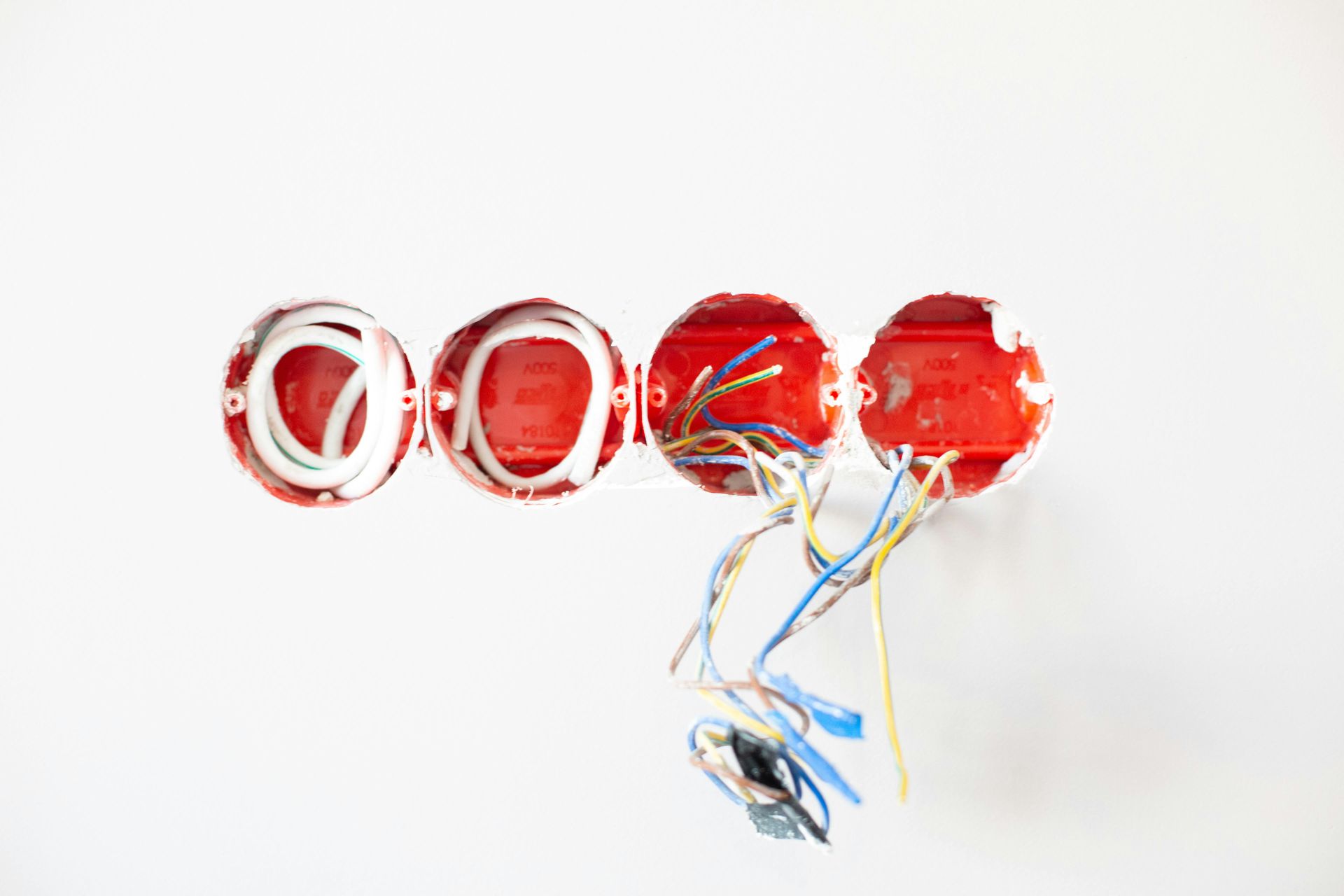
Hey there! If you’re a homeowner, you know that little electrical issues can pop up from time to time. While some problems definitely require a professional touch, there are plenty of minor electrical maintenance tasks you can tackle yourself. Not only can this save you some cash, but it can also give you a sense of accomplishment. So, let’s dive into some common electrical issues you might encounter around the house and how you can handle them with a bit of self-maintenance!
Understanding Your Electrical System
Before we jump into the DIY fixes, it’s essential to have a basic understanding of your home’s electrical system. Your electrical system consists of various components, including:
- Wiring: The network of wires that carry electricity throughout your home.
- Outlets: The points where you plug in your devices.
- Circuit Breakers: Safety devices that prevent overloads by cutting off electricity when necessary.
- Light Fixtures: The lights that illuminate your home.
Knowing how these components work together can help you troubleshoot issues more effectively.
Common Electrical Issues and Self-Maintenance Tips
1. Tripped Circuit Breakers
One of the most common issues homeowners face is a tripped circuit breaker. This usually happens when too many devices are plugged into one circuit, causing an overload. Here’s how to handle it:
- Check the Breaker Box: Locate your circuit breaker panel and look for any switches that are in the "off" position or are in the middle.
- Reset the Breaker: Simply flip the switch back to the "on" position. If it trips again, you may need to unplug some devices or consult an electrician service in Singapore for further assistance.
2. Flickering Lights
Flickering lights can be annoying and may indicate a loose connection or a problem with the fixture itself. Here’s what you can do:
- Check the Bulb: Sometimes, a loose or burnt-out bulb can cause flickering. Make sure the bulb is securely screwed in or replace it if necessary.
- Inspect the Fixture: If the bulb is fine, turn off the power to the fixture and check for loose wires. If you’re not comfortable doing this, it’s best to call in a professional.
3. Dead Outlets
If you find that an outlet isn’t working, it could be due to a tripped breaker, a blown fuse, or a faulty outlet. Here’s how to troubleshoot:
- Test Other Outlets: Check if other outlets on the same circuit are working. If they are, the problem may be with the outlet itself.
- Use a Multimeter: If you have electrical tools like a multimeter, you can test the outlet for voltage. If there’s no voltage, it’s time to replace the outlet or call an electrician.
4. Overheating Outlets
If an outlet feels warm to the touch, it’s a sign that something is wrong. Here’s what to do:
- Unplug Devices: Immediately unplug any devices connected to the outlet.
- Inspect for Damage: Check for any visible damage to the outlet or the plug of the device. If you see any signs of burning or melting, replace the outlet right away.
5. Light Switch Issues
If a light switch is not functioning correctly, it could be due to a faulty switch or wiring issues. Here’s how to address it:
- Test the Switch: If the light doesn’t turn on, try replacing the bulb first. If that doesn’t work, turn off the power and remove the switch cover to check for loose wires.
- Replace the Switch: If you find any damage, replacing the switch is usually straightforward. Just make sure to turn off the power before you start!
6. Extension Cord Overload
Using extension cords can be handy, but overloading them can lead to serious issues. Here’s how to use them safely:
- Limit Usage: Avoid plugging too many devices into one extension cord. Check the wattage rating and ensure you’re not exceeding it.
- Inspect Regularly: Look for any signs of wear and tear, such as frayed cords or damaged plugs. Replace them if necessary.
Safety First!
While self-maintenance can be rewarding, safety should always be your top priority. Here are some essential safety tips to keep in mind:
- Turn Off Power: Always turn off the power at the circuit breaker before working on any electrical components.
- Use Proper Tools: Invest in quality electrical tools to ensure you can perform tasks safely and effectively.
- Know Your Limits: If you’re unsure about any electrical issue, don’t hesitate to call a professional electrician service in Singapore. It’s better to be safe than sorry!
When to Call a Professional
While many small electrical issues can be handled with self-maintenance, some situations require the expertise of a professional. Here are a few signs that it’s time to call in the pros:
- Frequent tripped breakers
- Burning smells or scorch marks around outlets
- Flickering lights that persist after troubleshooting
- Any signs of water damage near electrical components
Conclusion
Taking care of minor electrical issues around your home can save you time and money while giving you a sense of accomplishment. By understanding your electrical system and following these self-maintenance tips, you can tackle common problems with confidence. However, always prioritize safety and know when to call for help.
If you’re looking for reliable electrical services or need tools for your electrical needs, consider reaching out to PCP Electric. Established in 2018, PCP Electric is a trusted distributor specializing in installation, procurement, and fabrication of electrical systems. With over 25 years of experience in the industry, they are dedicated to providing advanced energy solutions and industrial automation. Their extensive product range ensures efficiency and sustainability, meeting the diverse needs of clients throughout Singapore.
By embracing self-maintenance and knowing when to seek professional help, you can keep your home safe and functional. For all your electrical needs, trust PCP Electric to provide the best solutions and services!

