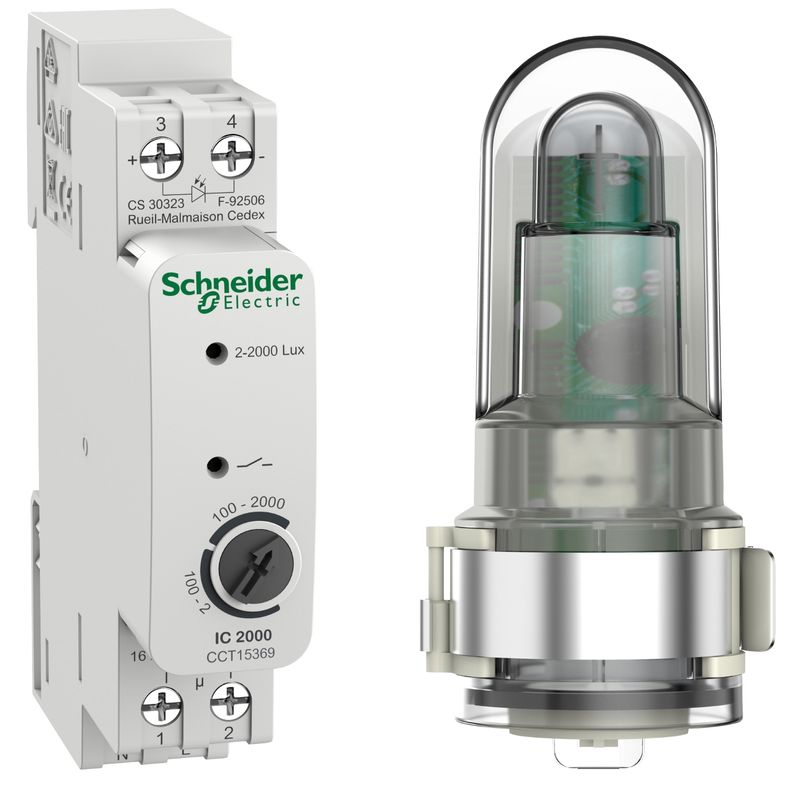

Twilight Switch
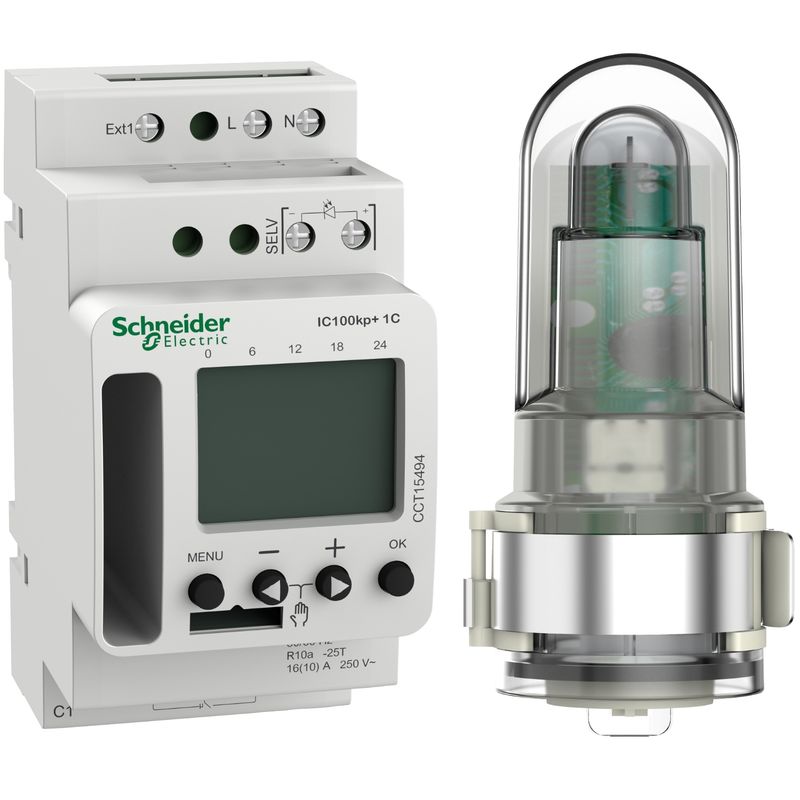
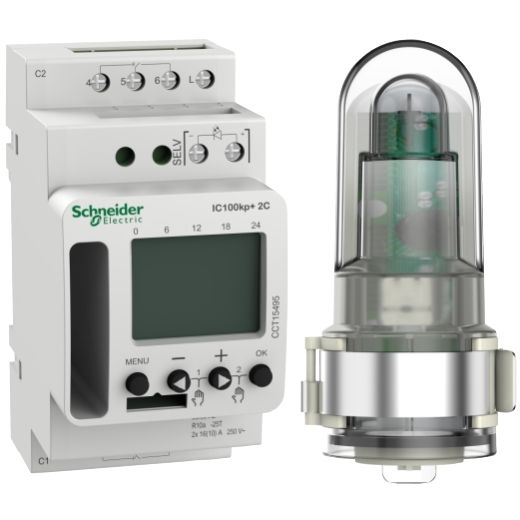
The twilight switch function is used to control lighting automatically according to ambient light levels. It switches lighting ON when natural light falls below a defined threshold(dusk) and OFF when light levels rise above that threshold(dawn). This provides a fully automatic, energy‑efficient method of managing lighting without reliance on fixed time schedules.
Key Features of Twilight Switches
Light Sensitivity Adjustment
- The switching point is defined by an adjustable light threshold, typically expressed in lux.
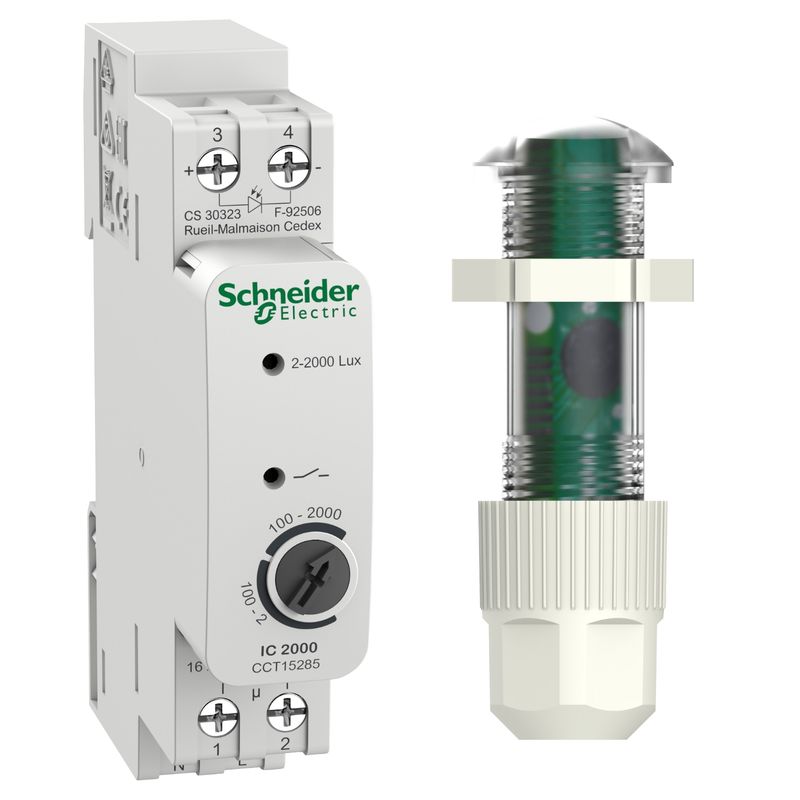
- Many devices offer a wide adjustment range (for example, 2 to 2000 lux), allowing precise control of the ON/OFF transition point according to site conditions.
Automatic Day/Night Operation
- Uses a photocell or light sensor to continuously monitor ambient brightness.
- When light drops below the preset level, the switch closes the contact and turns the lighting ON.
- When light exceeds the threshold, the contact opens and turns the lighting OFF.
Time Delay / Switching Hysteresis
- Built‑in delays and hysteresis prevent nuisance switching caused by brief changes in light, such as passing clouds or vehicle headlights.
- Typical delays range from a few seconds to over a minute, depending on the model.
Programmable Extensions (Model‑Dependent)
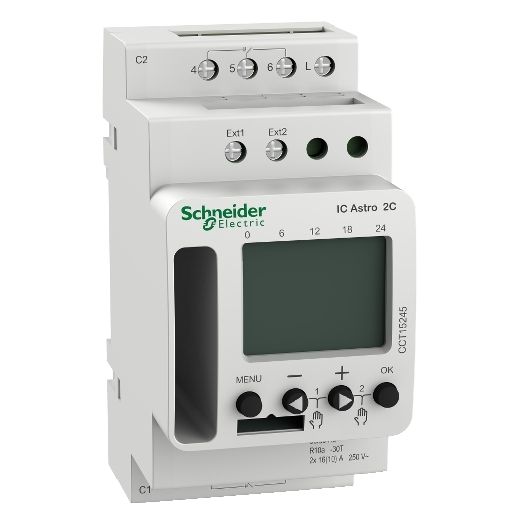
- Some advanced models combine twilight detection with time functions, allowing:
- Defined OFF periods during the night
- Coordinated operation with time switches
- This provides greater flexibility for energy management without losing automatic light control.
Manual Override (Where Provided)
- Selected models offer manual or remote override inputs, enabling temporary ON or OFF control without changing the light‑based settings.
- Useful for maintenance, testing, or special operating conditions.
Benefits
- Energy efficiency: Ensures lighting operates only when natural light is insufficient, reducing electricity consumption.
- Convenience: Fully automatic operation eliminates the need for manual switching or seasonal time adjustment.
- Improved safety and security: Maintains lighting during hours of darkness for visibility and deterrence.
- Extended lamp life: Avoids unnecessary operation during daylight hours, reducing wear on luminaires.
Typical Applications
Outdoor Lighting
- Street lighting
- Car parks and access roads
- Pathways, gardens, and landscape lighting
Security Lighting
- Perimeter and façade lighting
- Intruder‑deterrent illumination
- Residential and commercial exterior security systems
Commercial and Industrial Sites
Installation Considerations
Sensor Placement
- Install the light sensor where it receives true ambient daylight.
- Avoid:
Electrical Connection
- Typically installed on a DIN rail inside a distribution board, with the sensor wall‑mounted externally.
- Wiring is completed according to the manufacturer’s diagram, connecting supply, sensor, and controlled load or control circuit.
Programming and Adjustment
- Set the lux threshold to define the desired switching point.
- Adjust time delay settings, where available, to stabilise operation.
- For combined twilight/time switches, programmed additional ON/OFF time windows as required.
Summary
The twilight switch function provides an intelligent, autonomous method of lighting control based on real‑time ambient light levels. By combining adjustable sensitivity, switching stability, and optional time‑based enhancements, twilight switches deliver high energy efficiency, operational reliability, and improved safety for outdoor and low‑light‑dependent environments.