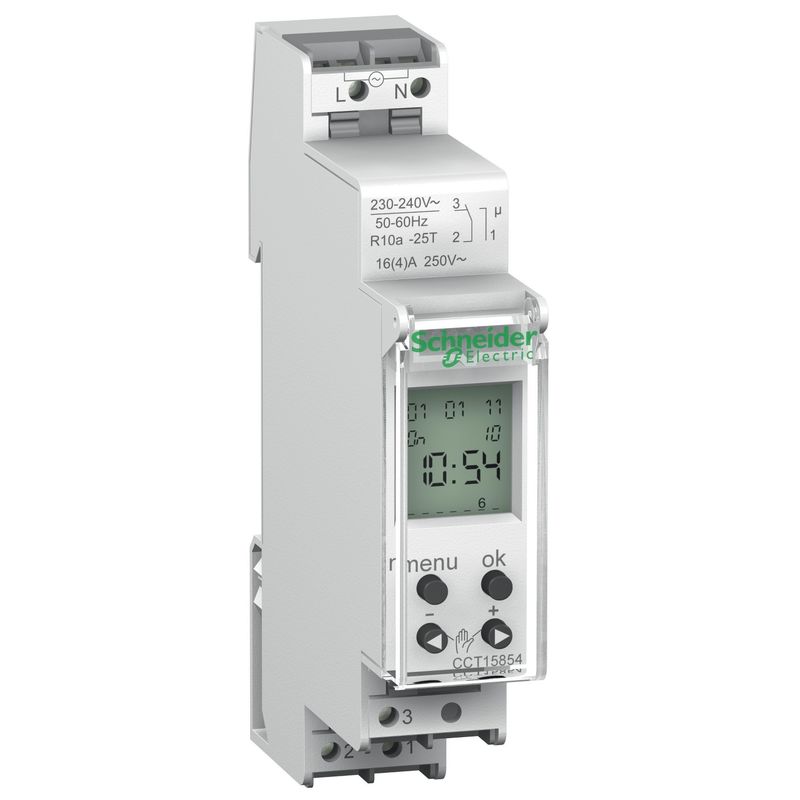

Programming Digital Time Switch
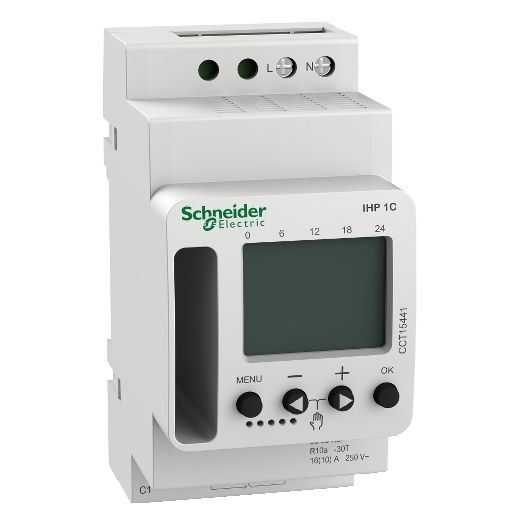
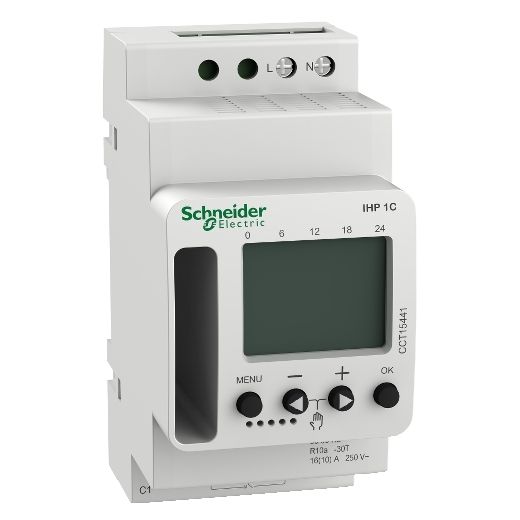
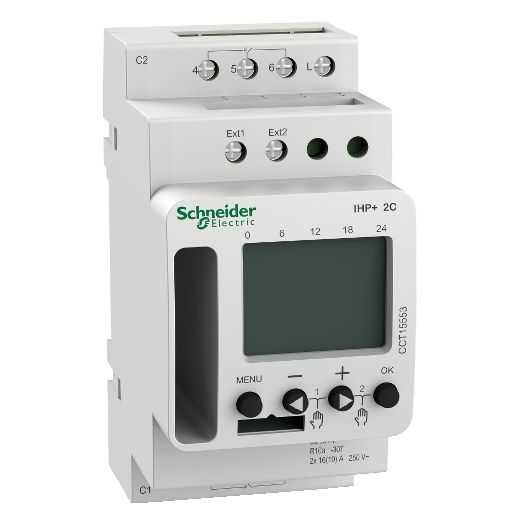
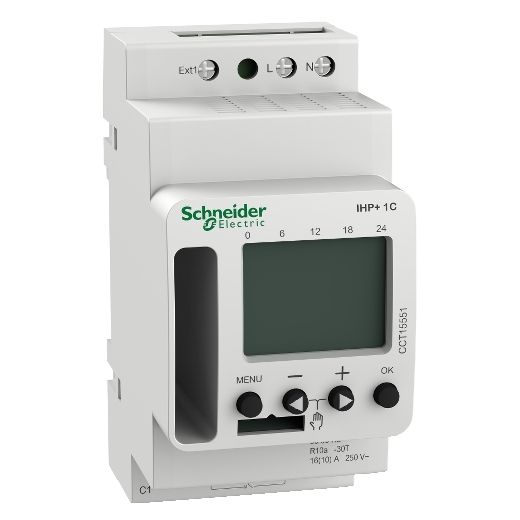
A digital time switch is an electronic control device used to automatically switch electrical circuits ON and OFF according to a pre‑programmed schedule. Unlike mechanical timers, digital time switches use electronic clocks and microprocessors, allowing for greater accuracy, flexibility, and advanced control functions.
Key Features
Digital Display
- Typically equipped with an LCD or LED screen.
- Displays the current time, day, and programmed switching events.
- Makes programming and status monitoring straightforward.
Programmable Scheduling
- Supports multiple ON/OFF programmes per day.
- Allows daily or weekly schedules, including different settings for weekdays and weekends.
- Some models offer seasonal or holiday scheduling.
High Precision
- Uses an internal electronic clock (often crystal‑controlled) to provide minute‑level or finer accuracy.
- Maintains consistent switching times over long periods.
Backup Power
- Many digital time switches incorporate a battery or capacitor backup.
- Retains programmed settings during power outages and short interruptions.
Advanced Functions
- Countdown timing
- Random ON/OFF operation to simulate occupancy
- Automatic daylight‑saving time adjustment (model‑dependent)
- Manual override for immediate control
Benefits
Flexibility
- Enables complex timing schedules with several switching events per day.
- Ideal where operating times vary throughout the week.
Accuracy
- Electronic timing ensures high reliability and repeatable operation, supporting energy management and automation.
Convenience
- Easy to modify schedules without physical components such as pins or tabs.
- Clear digital interface simplifies changes and diagnostics.
Energy Efficiency
- Ensures equipment operates only when required, reducing unnecessary energy use.
- Particularly effective for lighting, heating, and ventilation control.
Common Applications
- Lighting control(interior, exterior, decorative, or security lighting)
- Heating and cooling systems, including water heaters and HVAC equipment
- Domestic and commercial appliances, such as fans or display signage
- Industrial equipment, machinery sequencing, and process control
- Irrigation systems for scheduled watering cycles
How a Digital Time Switch Works
- Programming
The user programmes the desired ON and OFF times using the front‑panel buttons and digital display. - Internal Clock Operation
The internal electronic clock continuously tracks the current time and compares it with stored programme data. - Switching Action
When the programmed ON or OFF time is reached, an internal relay:- Closes the circuit to switch the load ON
- Opens the circuit to switch the load OFF
- Manual Override
A manual override function allows temporary operation outside the set schedule without erasing stored programmes.
Example Application
To automate living‑room lighting from 19:00 to 23:00 daily:
- Programme the ON time as 19:00 and the OFF time as 23:00 for each day.
- Install or connect the time switch to the lighting circuit.
- The lights will automatically operate according to the schedule each day.
Summary
Digital time switches offer a precise, flexible, and user‑friendly solution for automating electrical circuits. Their programmable schedules, backup power, and advanced timing functions make them suitable for residential, commercial, and industrial applications requiring reliable and efficient time‑based control.