
Industrial Automation
Industrial automation is built from a set of core components that allow machines and processes to sense, control, act, and communicate. Here is the clear, structured, in‑brief overview you’re looking for.
⚙️ Industrial Automation Components
These components work together to automate machines and industrial processes.
1. PLCs
Programmable Logic Controllers — the brain
of automation.
Execute logic, control sequences, and manage machine operations.
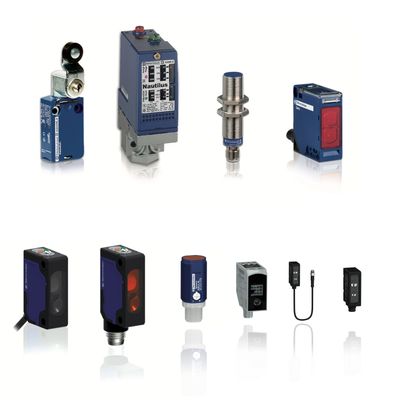
2. Sensors
Detect physical conditions: temperature, pressure, position, speed, level, proximity.
Provide real‑time feedback to controllers.
3. Actuators
Convert electrical signals into physical action.
Examples: motors, valves, pneumatic cylinders.
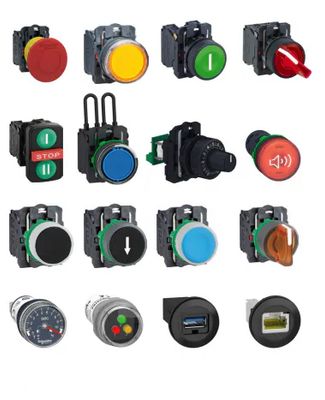
4. HMIs
Human‑Machine Interfaces for operators to monitor and control machines.
5. SCADA
Supervisory Control and Data Acquisition systems for plant‑wide monitoring.
6. Industrial networks
Communication systems like Modbus, Profibus, Profinet, Ethernet/IP.
Enable devices to exchange data reliably.
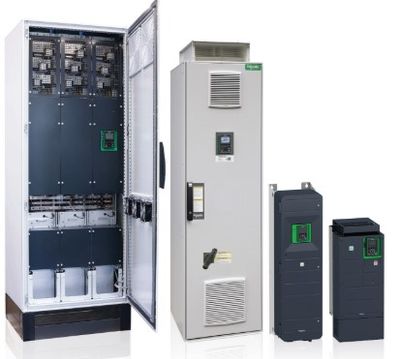
7. Drives
Variable Speed Drives (VSDs) and soft starters for motor control.
Adjust speed, torque, and starting/stopping behaviour.
8. Robots
Perform repetitive, precise, or hazardous tasks.
Used in assembly, welding, packaging, and material handling.
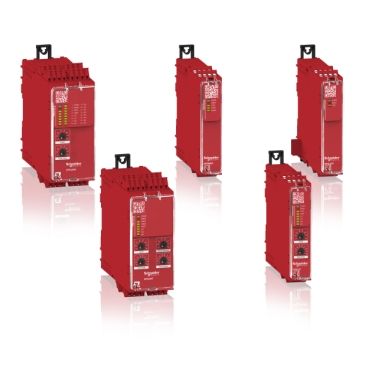
9. Safety systems
Safety relays, light curtains, emergency stops, safety PLCs.
Protect people and equipment.
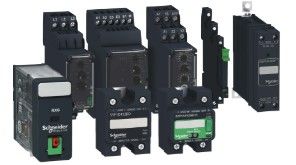
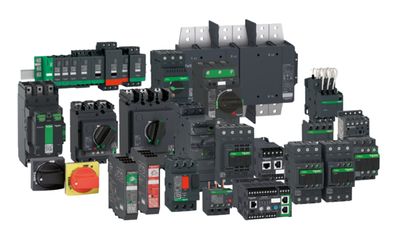
10. Power & switching devices
Breakers, contactors, relays, fuses — ensure safe power distribution.
⭐ One‑line summary
Industrial automation components work together to sense, decide, act, and communicate, enabling machines to run safely, efficiently, and automatically.