
Inductive Proximity Sensors
⚡ Inductive Proximity Switch
An inductive proximity switch is a non‑contact metal‑detection sensor that uses an oscillating electromagnetic field to detect the presence of a metallic object.
Your document states:
“ An inductive proximity sensor is solely for the detection of metal objects… an alternating magnetic field is generated… when a metal object is placed within the field, the oscillations cease and the output driver operates. ”
This is the core operating principle.
🔧 Key Points
- Detects metal only — steel, iron, aluminium, brass, etc.
- Non‑contact sensing — no wear, no mechanical actuation.
- Short sensing distances — typically 1–40 mm depending on size.
- Rugged & reliable — immune to dust, oil, vibration, and light.
- Flush / non‑flush mounting — controls sensing range and side interference.
- PNP / NPN / 2‑wire AC/DC — wide electrical compatibility.
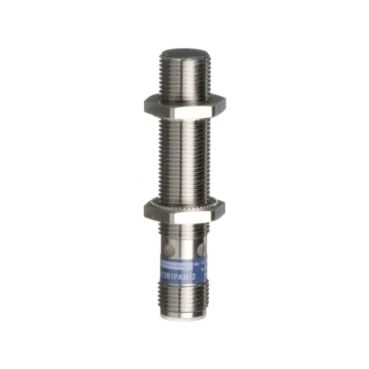
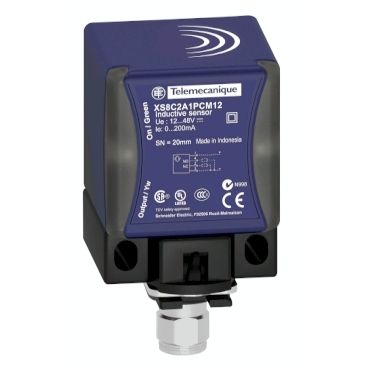
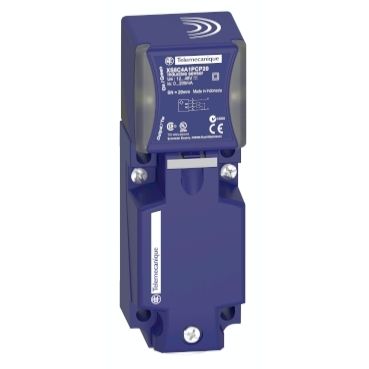
- Cylindrical or cubic housings — M8, M12, M18, M30, 40×40, etc.
- High switching frequency — ideal for counting and automation.
Your document highlights:
“ Inductive proximity sensors enable detection without physical contact… high operating rates… excellent resistance to industrial environments. ”
🏭 Typical Applications
- Position detection — cams, stops, actuators.
- Counting metal parts — conveyors, feeders.
- Machine automation — robotics, packaging, assembly.
- Harsh environments — welding, machining, food processing.
⭐ One‑line summary
An inductive proximity switch is a rugged, non‑contact metal detector that uses electromagnetic fields to sense metal objects with high reliability and no mechanical wear.