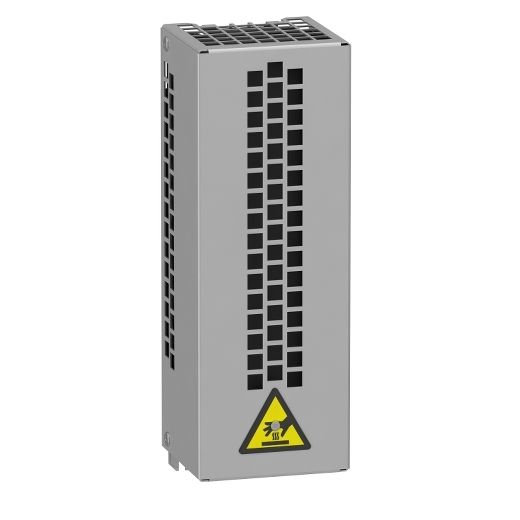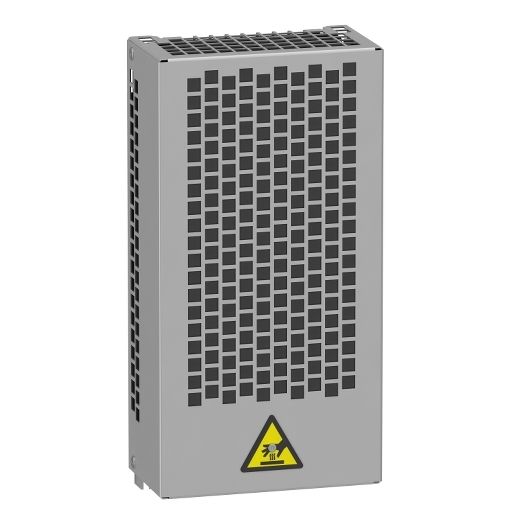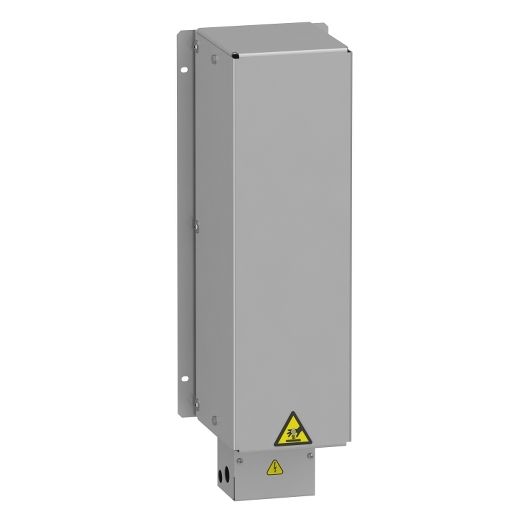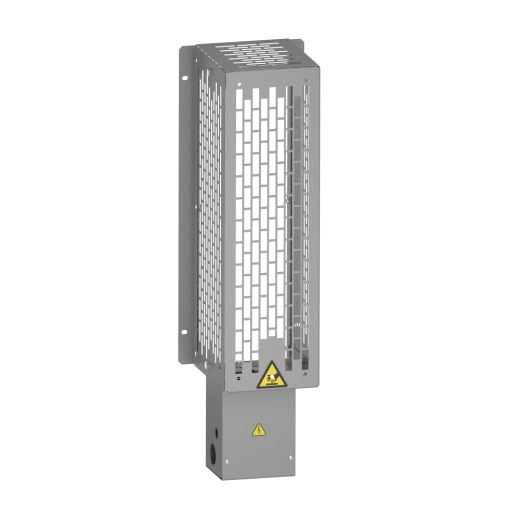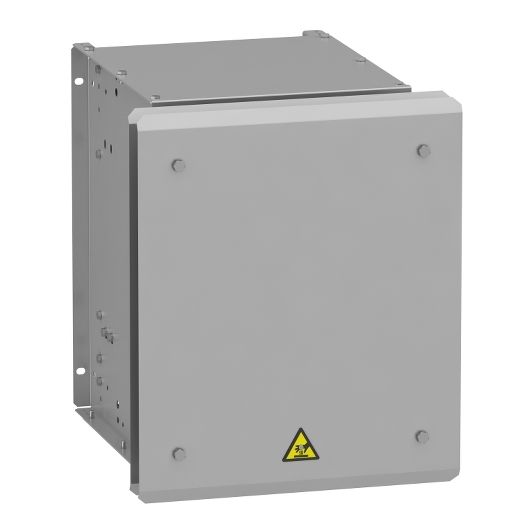

Braking Resistors
⚡ Braking Resistor
A braking resistor absorbs the extra electrical energy generated by a motor during braking. Instead of sending this energy back into the DC bus (which would cause an overvoltage fault), the resistor converts it into heat, allowing the drive to stop the motor faster and safely.
🔧 What It Does
- Dissipates braking energy to prevent DC‑bus overvoltage
- Enables fast deceleration for high‑inertia loads
- Protects the VSD from overvoltage trips
- Improves stopping accuracy in positioning applications
🏭 Where It’s Used
- Cranes & hoists
- Conveyors
- Centrifuges
- Elevators
- High‑inertia fans
- Robotics & packaging machines
🔌 Braking Resistors for Schneider Altivar Drives
Common resistor types used with Altivar drives:
- ATV320 braking resistors
- ATV340 braking resistors
- ATV630/ATV930 braking resistors
These are selected based on drive model, motor kW, and braking duty cycle.
⭐ One‑line summary
A braking resistor lets a VSD stop a motor quickly and safely by converting excess braking energy into heat.