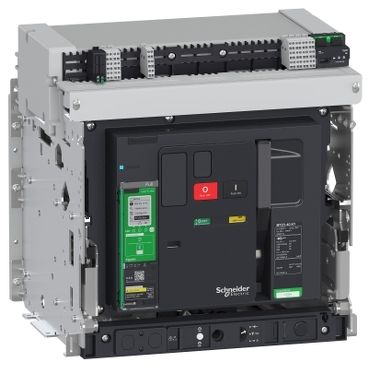

Air Circuit Breaker
⚡ Air Circuit Breakers (ACBs)
Air Circuit Breakers (ACBs)
are the preferred protection devices for high‑current low‑voltage systems, typically in the 800–6300 A
frame range.
They provide adjustable, intelligent protection, high breaking capacity, and remote monitoring — making them the standard choice for critical industrial and commercial installations in Singapore.
🔧 Why ACBs Are Specified for Critical Loads
- High current capability — ideal for main LV incomers, tie breakers, and generator feeders.
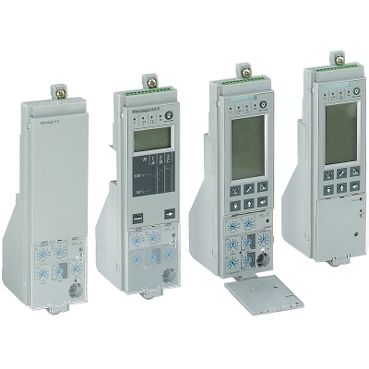
- Electronic trip units — adjustable long‑time, short‑time, instantaneous, and ground‑fault protection.
- High breaking capacity — handles severe fault levels in dense urban grids like Singapore.
- Remote monitoring & control — integrates with BMS/SCADA for status, alarms, and energy data.
- Reliability for mission‑critical loads — hospitals, data centres, industrial plants.
🛠️ Key Characteristics
- Frame sizes: 800 A to 6300 A
- Protection: Adjustable electronic trip units (LSIG)
- Standards: Fully compliant with IEC 60947‑2
- Connectivity: Modbus / Ethernet for remote supervision
- Maintenance‑friendly: Draw‑out versions for safe servicing
⭐ One‑line summary
ACBs deliver high‑current, high‑reliability LV protection with adjustable electronic trip units and remote monitoring — the standard for critical Singapore industrial and commercial power systems.